
AIC LIFE GUIDE
When there is immediate danger, official action comes first
Do not use an article to decide whether a situation is dangerous. If there is an immediate threat to life, safety, a fire, a serious accident or crime, use the appropriate official emergency route. The National Police Agency identifies 110 as the police emergency number. The Fire and Disaster Management Agency identifies 119 for fire and ambulance emergency calls.
Give the dispatcher the location and answer their questions as calmly as possible. If you cannot connect, follow current official instructions and seek help from people nearby where appropriate.
110 and 119: keep the roles clear
110 is police emergency orientation. 119 is fire/ambulance emergency orientation. Neither number should be used as a general information service. This guide does not decide the seriousness of a crime, accident or medical symptom.
For medical-system orientation, clinic/hospital guidance and the no-diagnosis boundary, use the Task 38 Healthcare guide. If official emergency action is needed, do not delay it for an AIC page or a checklist.
`#7119` and `#8000`: use the right official service, then check current local details
The FDMA describes `#7119` emergency-consultation services in participating areas, and availability is not identical across Japan. Check the FDMA’s current service-area information and the relevant local operator before relying on it.
The Ministry of Health, Labour and Welfare identifies `#8000` as the nationwide short number for the child medical telephone-consultation programme: it routes a caller to the relevant prefectural service for parents or guardians seeking paediatric telephone advice. The prefectural contact route and operating hours vary, so check the current MHLW/prefectural information. AIC does not assess symptoms or replace an official service.
Alerts, weather and disaster information
The Japan Meteorological Agency issues official warnings, advisories and emergency warnings for weather- and disaster-related risks. Earthquake, tsunami, typhoon, heavy-rain, landslide and other information must be checked in real time through the relevant official source. An alert is not a prediction tool for AIC to reinterpret; follow the official action language for your area.
Evacuation information is local and situation-dependent
Municipalities and prefectures publish local hazard maps, evacuation information, designated locations and current instructions. A place listed on a map is not necessarily open at every moment, and procedures can differ across localities and events. Check the municipality’s current disaster page, current official alerts and locally issued evacuation information.
Prepare before an emergency
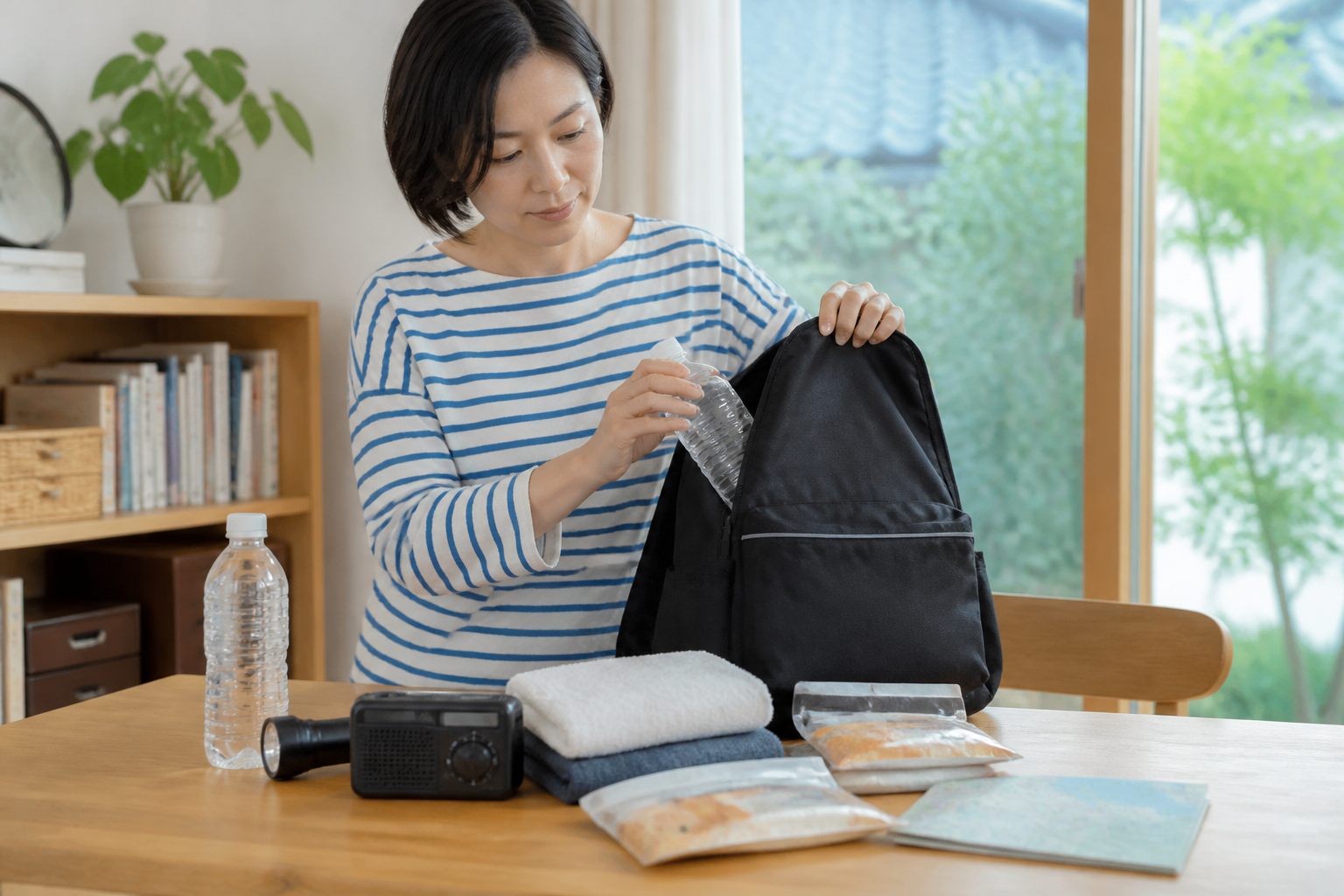
Keep a household contact plan, know the official local-information route, check the area’s hazard-map/disaster information and prepare supplies suited to your household and official local guidance. Review plans when moving, changing schools, adding a family member or receiving new municipality information.
Your next action
Follow the appropriate official emergency or disaster information. Save the current municipality and JMA information routes before an emergency, and use official urgent services immediately where needed.
Leave a Reply